Registrations are now closed.
Introduction
Artificial Intelligence (AI) stands out as one of the most transformative technologies with the potential to revolutionize this fast-paced and complex environment as emergency departments. From accelerating diagnostic processes and optimizing patient triage to enhancing clinical decision support systems and improving operational efficiency, AI promises innovative solutions to the most fundamental challenges faced by emergency departments such as triage, decision making in diagnosis and education.
In this virtual learning event (VLE), the participants will inform about the current state and future of AI in Emergency Medicine from three distinct perspectives. The aim of this event will be reflect the global outlook and standards presented in the groundbreaking paper on AI by the International Federation for Emergency Medicine (IFEM) and the AI projects conducted on emergency medicine throughout the world. The participants will learn the real-world application of multilingual AI triage systems, which aim to enhance equity and safety in patient care by overcoming language barriers and how AI can make the practice of Emergency Medicine more effective, efficient, and patient-centered.
Learning Objectives
- Describe the global outlook and standards for AI in emergency care as presented by the International Federation for Emergency Medicine (IFEM).
- Understand how multilingual AI triage systems can enhance equity and patient safety by overcoming language barriers in the emergency department.
- Know the current applications of technology regarding AI based simulation in EM education.
Program
- AI Whitepaper of IFEM - Dr Rajadurai Meenakshisundaram
- Role of Artificial Intelligence in Pediatric Emergency Medicine and Simulation - Dr Jabeen Fayyaz
- AI based Serious Games in Emergency Medicine - Dr Altuğ Kanbakan
-
AI Effect on Quality and Safety - Dr Temsegen Beyene
-
AI in the Future ED - Dr Rahul Katta
-
The challenges and enablers of implementing AI in high-pressure clinical settings, using the NASSS framework - Dr Padmanesan Narasimhan
Date and Time
Timezone - United Coordinated Time
Friday, 13 March, 2:00 pm - 5:00 pm UTC
Check local time: https://savvytime.com/converter
All delegates will receive:
- Access to the session
- Digital acknowledgement of attendance
- Link to recorded presentations
Course fees
| Resource Setting |
Full Price |
Students and Residents |
| High Income |
$50 AUD |
$25 AUD |
| Middle Income |
$25 AUD |
$12.50 AUD |
| Low Income |
$10 AUD |
$5 AUD |
Note – the prices above are expressed in Australian dollars, with AU$1 approximately equivalent to 0.65 US dollars. Click here to check the cost in your currency.
Moderators
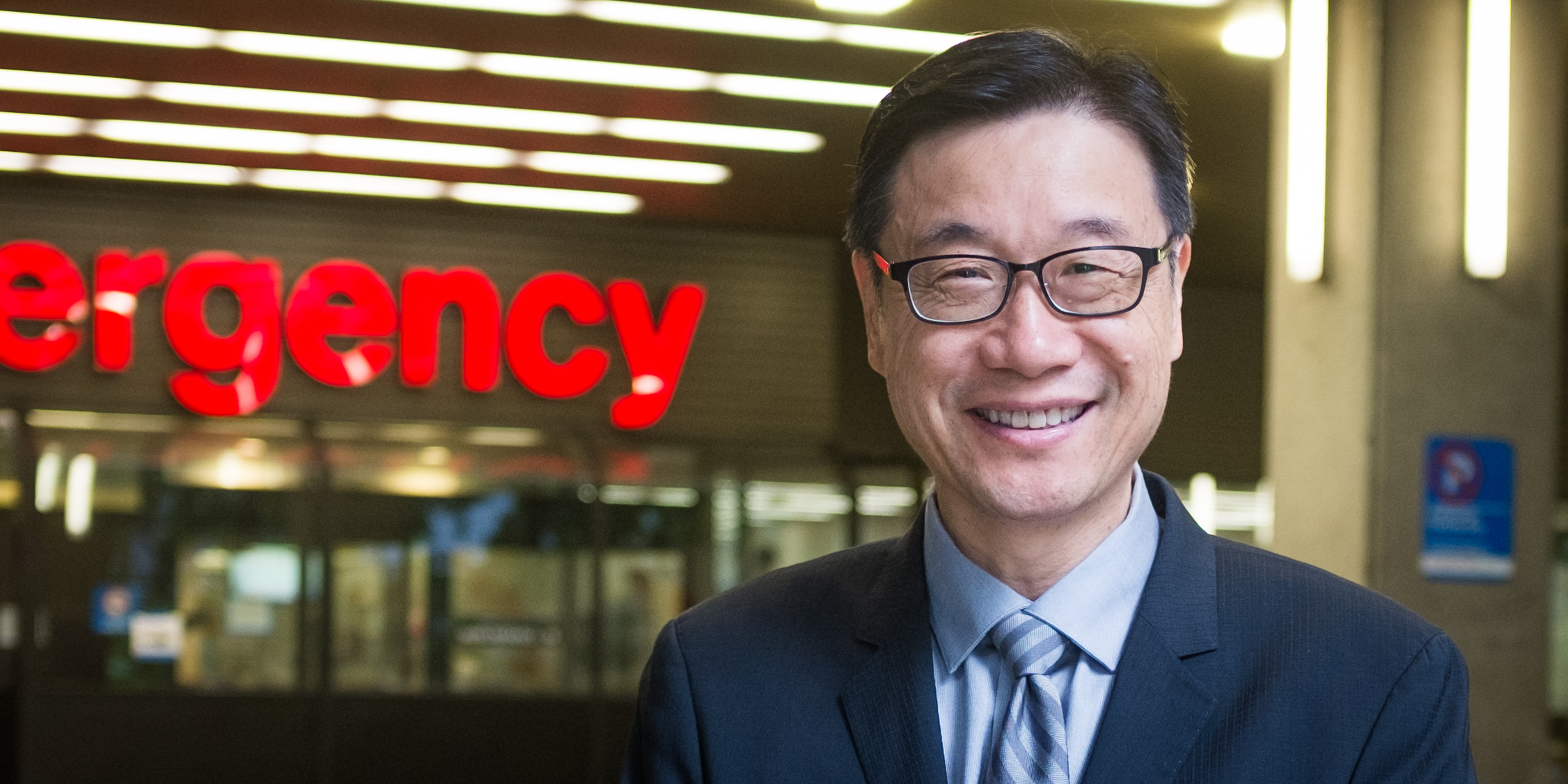
Kendall Ho
Professor and Lead, Digital Emergency Medicine, Faculty of Medicine, University of British Columbia
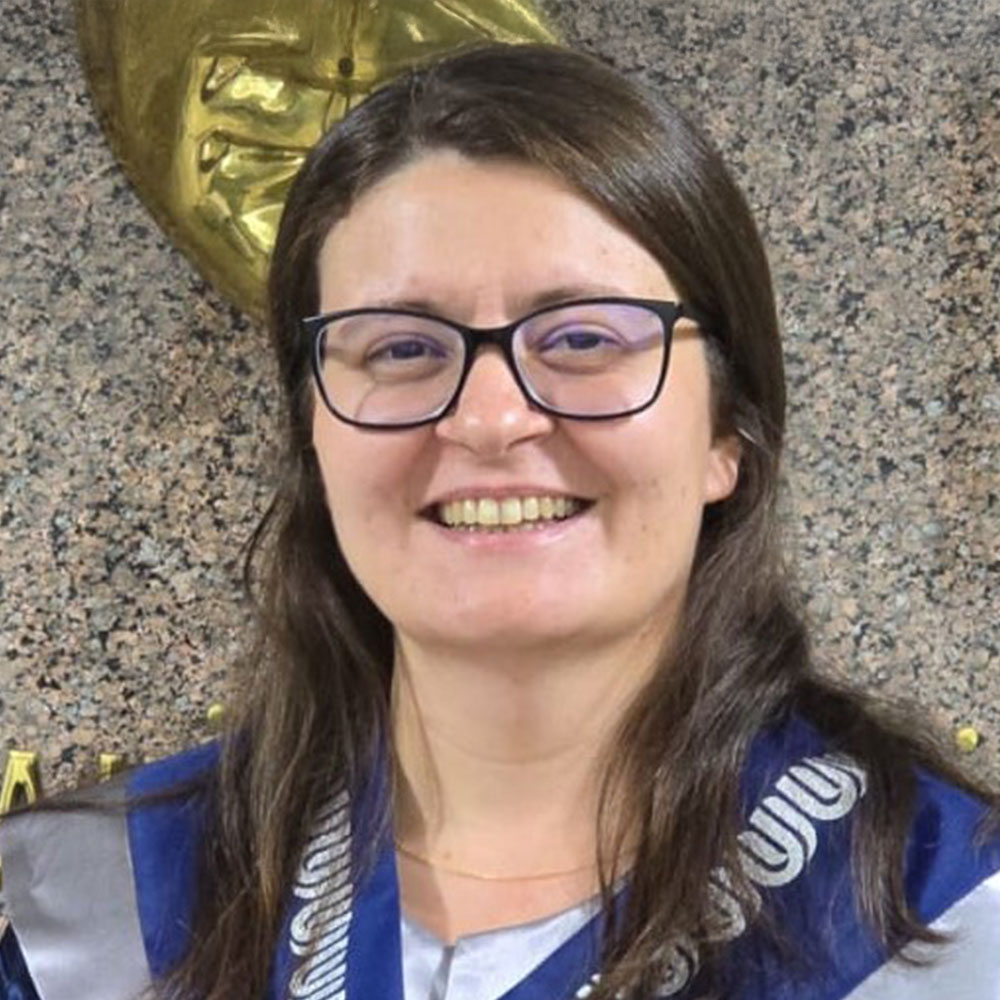
Göksu Bozdereli Berikol
Speakers

Dr Rajadurai Meenakshisundaram
Professor and Head, Department of Emergency Medicine, Saveetha Medical College, Chennai, Tamilnadu, Senior Consultant, Apollo Hospitals, Melvisharam in India. He is the Vice-Chair of Informatics SIG

Dr Jabeen Fayyaz
An experienced healthcare simulation educator, leader and researcher with expertise in AI applications for clinical education. Dr Jabeen Fayyaz serves as the SimKIDS Medical Director at Sick Kids Hospital in Canada and holds the position of Assistant Professor at the University of Toronto. Additionally, she contributes as a PEM Staff Physician at The Hospital for Sick Children and functions as a Sim Educator and Resuscitation Lead within the Division of Emergency Medicine. Dr Fayyaz has an interest in the use of AI tools like Google Translation and human factors video recording in healthcare simulation to enhance learning and patient safety

Dr Altuğ Kanbakan
Assistant Professor in Department of Emergency Medicine at Ufuk University, Ankara, Turkiye. He has finished his Master of Science on gaming Technologies at Gazi University. He has been conducted various researches and projects on Serious games in Emergency Medicine. He has been a member of EuSEM Digital EM Committee and representative of ISIG in IFEM Academy with Rajadurai Meenakshisundaram.
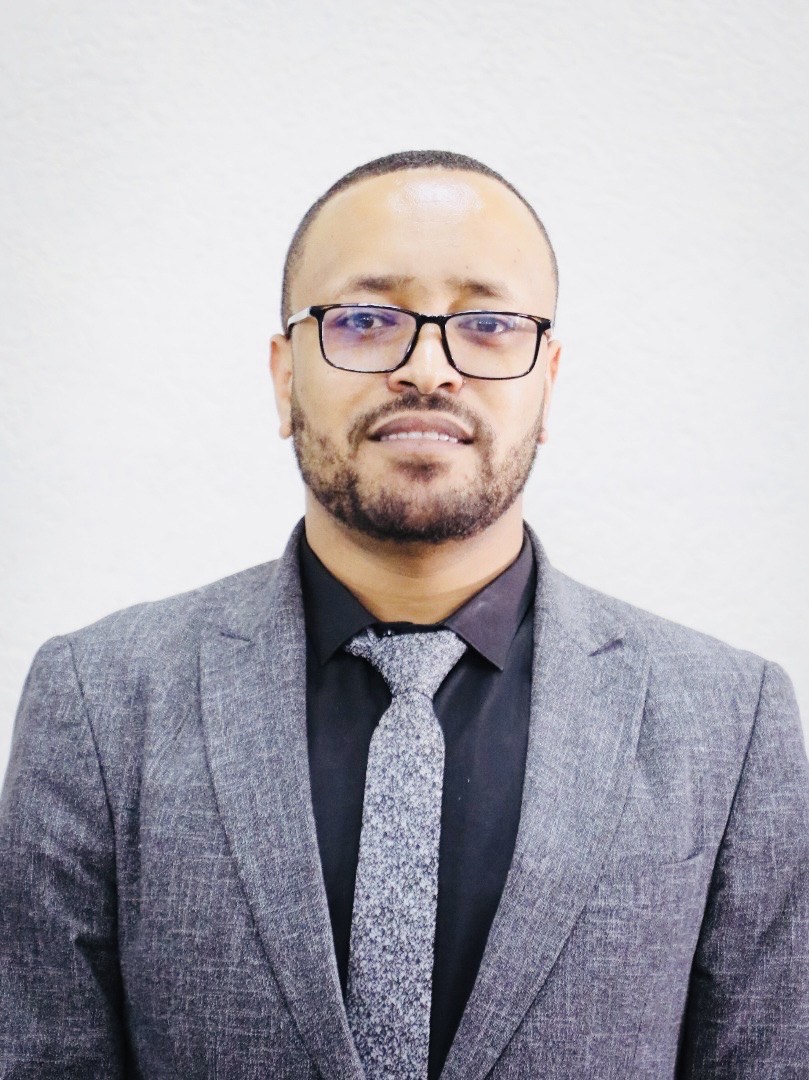
Dr Temesgen Beyene
Associate Professor at Addis Ababa University and Consultant Emergency & Critical Care Specialist; IHI Fellow, PhD Candidate at Queen’s University, Chair of the IFEM Quality & Patient Safety SIG, and alumnus of Harvard, Brown, and Stanford with interests in POCUS, quality improvement, and system strengthening.
Experienced academic leader with roles in postgraduate education, EM ultrasound direction, and research development, contributing to training pathways and workforce growth in Ethiopian emergency medicine.

Dr Rahul Katta
Group Head, Department of Emergency Medicine, Star Hospitals, Hyderabad, India; Founder & CEO, Ayuh Emergency Services.
Dr Katta is an emergency medicine and trauma specialist with professional training and fellowship experience in the UK. His interests lie in trauma systems development, prehospital and retrieval medicine, and digital transformation in emergency care. He leads initiatives integrating AI-driven analytics and decision support tools into emergency workflows to enhance clinical quality, operational performance, and patient safety
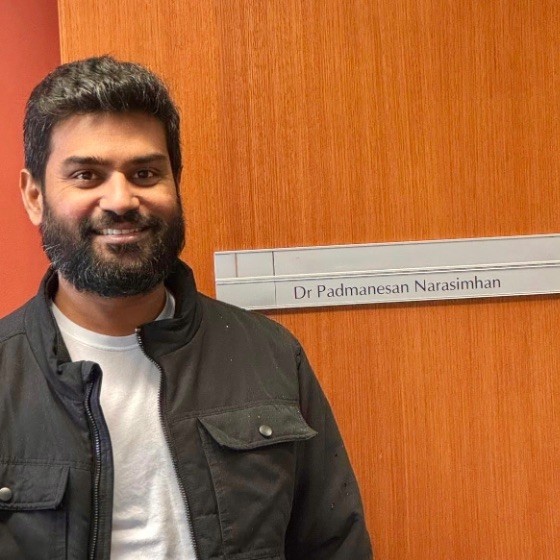
Dr Padmanesan Narasimhan
Clinician and Senior Lecturer at the University of New South Wales (UNSW). The TRIBOT study is an NHMRC-funded project evaluating a conversational AI chatbot designed to support patient triage in emergency departments. TRIBOT aims to improve patient flow, enhance triage accuracy, and reduce waiting times by integrating AI-powered decision support into routine clinical care.